
 Folium X
A question to begin with
Why would anyone leave the loveliest place in the world?
In development: a companion for thinking, discovering and creating with the books you own. Bring a question, follow a connection, or return to something you once believed. Keep the passages in view as your own reading takes shape.
A prepared example, not a live AI response. Read the passages, question the connections, and keep a reading of your own.
What we're buildingAvailability and release newsSources and method
A prepared example, not a live AI response
Why would anyone leave the loveliest place in the world?
The 3D scene is unavailable here. The whole example is in the text view, and Quiet offers the same choices without the scene:
Where a reading goes
A reading you keep stands with the books that gave it.
In the app, a kept reading is meant to become part of your library, shelved beside its sources, with every line still open to check. Keep one above, or don't; the shelf is the same either way.
A way of reading to take with you
Who holds the door?
When a story calls a place beautiful, ask whose word that is. Then ask who is free to leave, who decides, and what leaving costs.
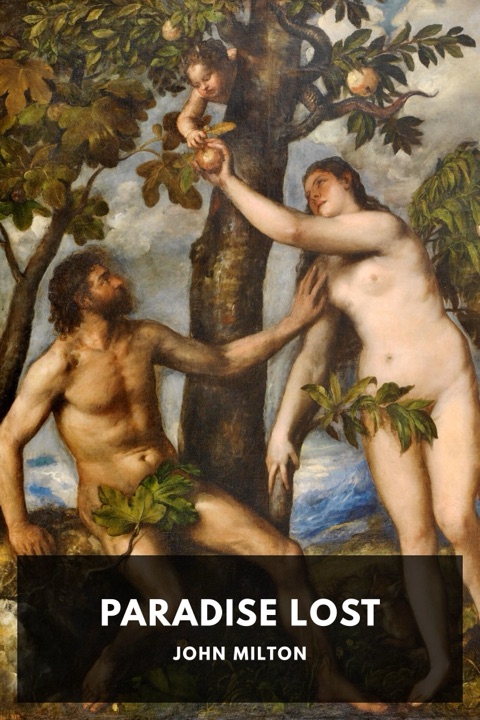
Try it next: Paradise Lost, Book XII, from the same shelf
The world was all before them, where to choose
Their place of rest, and Providence their guide.
Eden is the loveliest place in another poem, and its people are sent out of it. Who holds that door, and what are they free to choose once it closes?
The full essay
Before he can leave.
The island is beautiful. Odysseus still wants to go home. Reading more closely changes the question: what makes departure possible, who controls it, and what must he risk?
i
The island
A god stops to stare at it. The man who lives there sits on its shore and weeps.
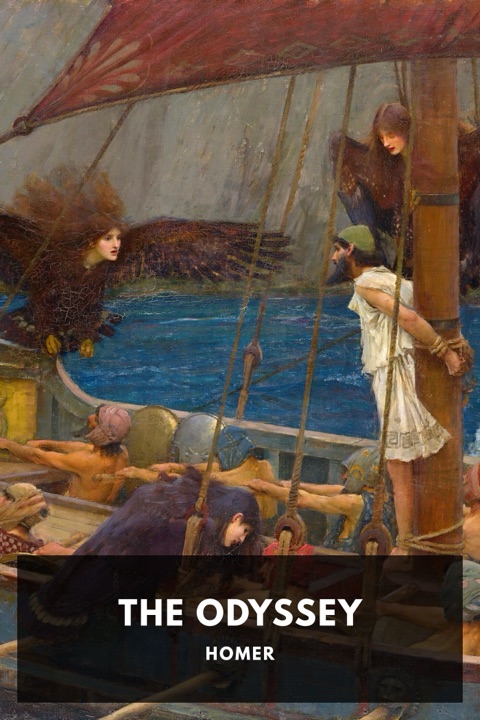
Around were meadows of soft green, o’ergrown
With violets and parsley. ’Twas a spot
Where even an immortal might awhile
Linger, and gaze with wonder and delight.Ulysses, large of heart,
Was not within. Apart, upon the shore,
He sat and sorrowed, where he oft in tears
And sighs and vain repinings passed the hours,
Gazing with wet eyes on the barren deep.
Athena, to the gods
To his dear native land
Depart he cannot; ship arrayed with oars
And seamen has he none, to bear him o’er
The breast of the broad ocean.Calypso, to Ulysses
Thou wouldst remain to keep this home with me
And be immortal …
The first answer, the one the poem says aloud
He longs for a particular home, with people in it.
… yet day by day I long
To be at home once more, and pine to see
The hour of my return.
True. Keep it. Then look again at what stands between him and that return.
ii
What “loveliest” leaves out
The island delights its divine visitor. The man kept there sees another side of it.
… for now no more the nymph
Delighted him; he wasted his sweet life
In yearning for his home. Night after night
He slept constrained within the hollow cave,
The unwilling by the fond …
Calypso, to Hermes
Ye are unjust, ye gods, and, envious far
Beyond all other beings, cannot bear
That ever goddess openly should make
A mortal man her consort.Him kindly I received; I cherished him,
And promised him a life that ne’er should know
Decay or death.
The first question asks why he would leave. The poem first asks whether he can. Jove orders Calypso to release him. Odysseus has long wanted to go; now he must decide whether to trust her help and face the sea:
Some other purpose than to send me home
Is in thy heart, O goddess …
Release makes the voyage possible. It does not make it safe. His answer is a willingness to suffer for the return he wants.
… Even though some god
Smite me on the black ocean, I shall bear
The stroke, for in my bosom dwells a mind
Patient of suffering; much have I endured,
And much survived, in tempests on the deep,
And in the battle; let this happen too.
iii
The book that adds a limit
A good connection should hold up against what limits it. This is a limit, not a refutation.
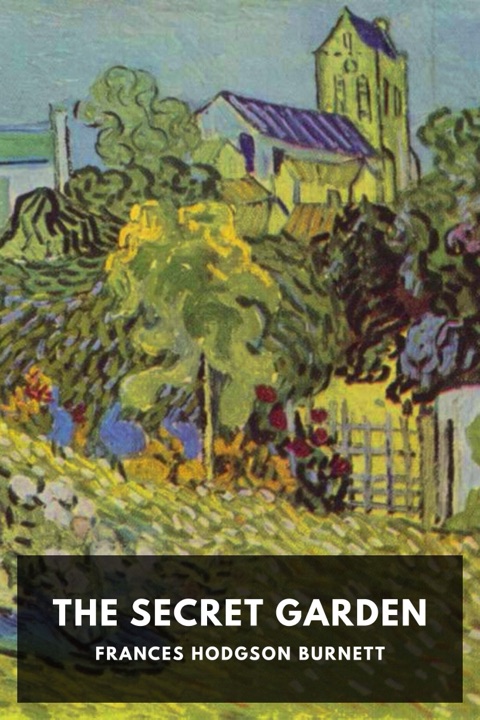
“Might I,” quavered Mary, “might I have a bit of earth?”
Of Mr. Craven, in the closing chapter
He had been in the most beautiful places in Europe, though he had remained nowhere more than a few days.
Craven can travel, yet grief follows him. Mary tends one small patch of earth, and the work begins to change her. The comparison suggests another condition of home: having something to care for. Freedom to leave may matter without being enough.
Odysseus, too, wants a particular home, with people in it. The sea is a risk he accepts for that return.
An ordinary shelf, no notes
Most shelves aren't a curated sample.
A reader with no notes, a few classics and some newer books added from a photo asks tonight's question. This is how the app is meant to answer: only from what it can actually read, and saying which is which.
Illustrative. A fictional shelf and a response written for this example: not generated live, not the working app.
You asked “Who else on my shelf gets let go, and who does the letting?”
A lead, not a finding*
Siddhartha offers two different kinds of letting go. His father finally permits him to leave. Much later, after Siddhartha has gone, Kamala releases a caged bird. Read together, the scenes ask whether letting go means granting someone freedom or accepting a departure already made.
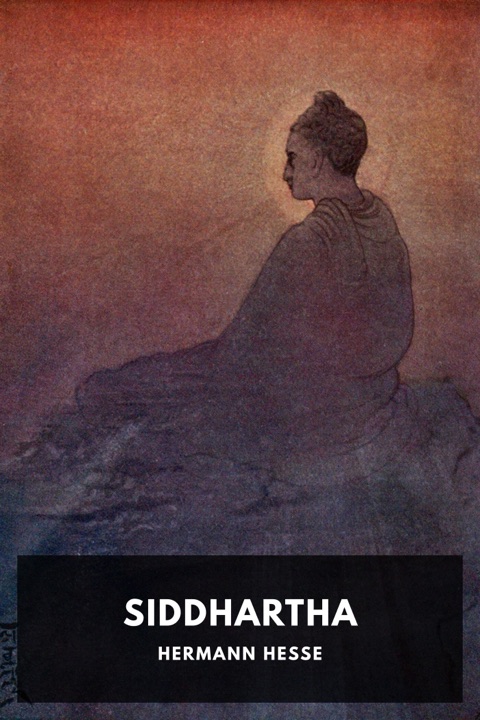
Then his father realized that even now Siddhartha no longer dwelt with him in his home, that he had already left him.
She opened the door of the cage, took the bird out and let it fly.
Beside the claim: your copy's translation isn't recorded. These lines come from an identified public-domain translation, labelled as such, and your pages may read differently.
Two other books have catalogue subjects connected with emigration. That gives us somewhere to look. When text is available, the answer can point to passages; until then, these books remain leads.
Written for this example, not generated. In the app, AI would propose a lead like this, and you would see where it came from.
What it could read on this shelf One readable here, one uncertain edition, four with catalogue records only, no notes.
 edition?
- Readable here
- Siddhartha, Hermann Hesse. Public domain, so passages can be shown from an identified translation. The translation of your copy isn't recorded, so the quoted edition is labelled and never presented as yours.
- Edition uncertain
- The Divine Comedy, Dante Alighieri. Translator not recorded. An identified alternative edition could be explored, labelled as such; but translations of Dante differ line by line, so this example waits for you to confirm yours before quoting.
- Catalogue records only
- Four books added from a shelf photo. A photo identifies the book, not its text, so nothing is summarized or quoted. Two carry subject headings connected with emigration: search leads, not evidence.
- Your notes
- None, and none are needed.
Where next
Enough for tonight. Nothing from this example was saved.
What we're building
A thought need not end where a book does.
What begins in a passage can change the questions you ask of another book—and of your own life. Folium X is being built to follow those connections across your library: to examine an idea, uncover a tension, reconsider a conviction, or make something that did not exist before. The source remains open beside the thought it has prompted.
Planned. This section describes what Folium X is being built to do. The app is in development and not yet available; these are not features you can use today.
- Follow an inquiry. Compare passages, test a reading, and see where a connection holds or breaks. Work across the full texts the app can use, your notes and your catalogue, with the source of each answer visible.
- Discover what matters to you. Return to a book you chose, inherited, loved or put down. Explore what has changed in your reading. The app can offer questions; you decide what they mean in your life.
- Make something of what you find. Shape an essay, a reading path, a dialogue, a visual argument or a work of your own. Keep quotations, suggestions and your contribution distinct.
- Continue, share, or let it rest. Carry an inquiry forward, choose what to share, or mark it complete. A kept thought can remain useful without asking for your attention every day.
One copy, not just one title
The Secret Garden · an inherited family copy
Living room, Window bookcase, Shelf 02. Worn corners, pages intact; edition not recorded.
Reading memory, May 3, 2026“The garden made me think about how attention changes a place—and how that place can change us.”
- Keep the copy, not just the title. A work, an edition and the specific book on your shelf stay distinct, so two copies keep their own place, condition, inscriptions and history. How work, edition and copy differ.
- Honest about what it can read. Full text where the app can use it, your notes, and catalogue records are different inputs, and the app says which one an answer came from. See the ordinary shelf.
- Find the book behind a thought. A half-remembered line leads back to its note, its copy and its shelf.
- Bring a shelf in. Photograph a shelf and confirm each match. An uncertain edition stays marked uncertain.
- Keep a family's books distinct. Inherited and shared collections keep their separate copies, provenance, inscriptions and history, with selective sharing.
Where things stand
In development. Folium X has not been released.
First release planned for the United States, for adults 18 and over. Membership enrollment is closed; pricing and the release date have not been announced.
Release news: leave your email for a release notification. This does not create an account or reserve a membership.